Salt Air and AC Repair: Protecting Outdoor Units in Delray Beach, FL
This guide explains how salt air affects outdoor units and what Delray Beach homeowners can do to reduce the need for AC repair in Delray Beach, FL. Living near the coast is wonderful, but ocean air carries salt that settles on metal and speeds up wear. A few simple habits can help your outdoor unit last longer and run more reliably.
Why Salt Air Is Hard on Air Conditioners
Salt in the air settles on metal surfaces and can speed up corrosion. The outdoor unit sits outside year-round, so it takes the full effect. Humidity makes the problem worse, because moisture helps salt stick and keeps surfaces damp for longer.
In Delray Beach, systems also run for much of the year. Long cooling seasons mean more hours of wear on every component. Corrosion and heavy use together can lead to earlier breakdowns than in drier, inland places.
Parts That Salt Air Can Affect
Several outdoor parts are especially exposed. Knowing them helps you spot problems early:
▸ The condenser coil, whose thin metal fins can corrode and lose efficiency.
▸ The cabinet, which may rust, flake, or weaken over time.
▸ Electrical connections and contactors, which can corrode and fail.
▸ Fan motors and blades that run in damp, salty air.
▸ Refrigerant lines and fittings, where corrosion can lead to leaks.
Corrosion that reaches the coil can contribute to refrigerant leaks and weak cooling, which are common reasons people need AC repair.
Signs Corrosion May Be Building
Early warning signs are often easy to see if you look, and catching them can reduce the chance of urgent AC repair later. Walk around your outdoor unit once a month and check for:
1. White, chalky residue or green buildup on metal parts.
2. Rust spots or flaking paint on the cabinet.
3. Bent or crumbling coil fins.
4. Unusual noises when the unit starts or runs.
5. Warm air from vents or longer run times than usual.
If you notice any of these, call a technician before a small issue becomes a breakdown.
Simple Ways to Protect an Outdoor Unit
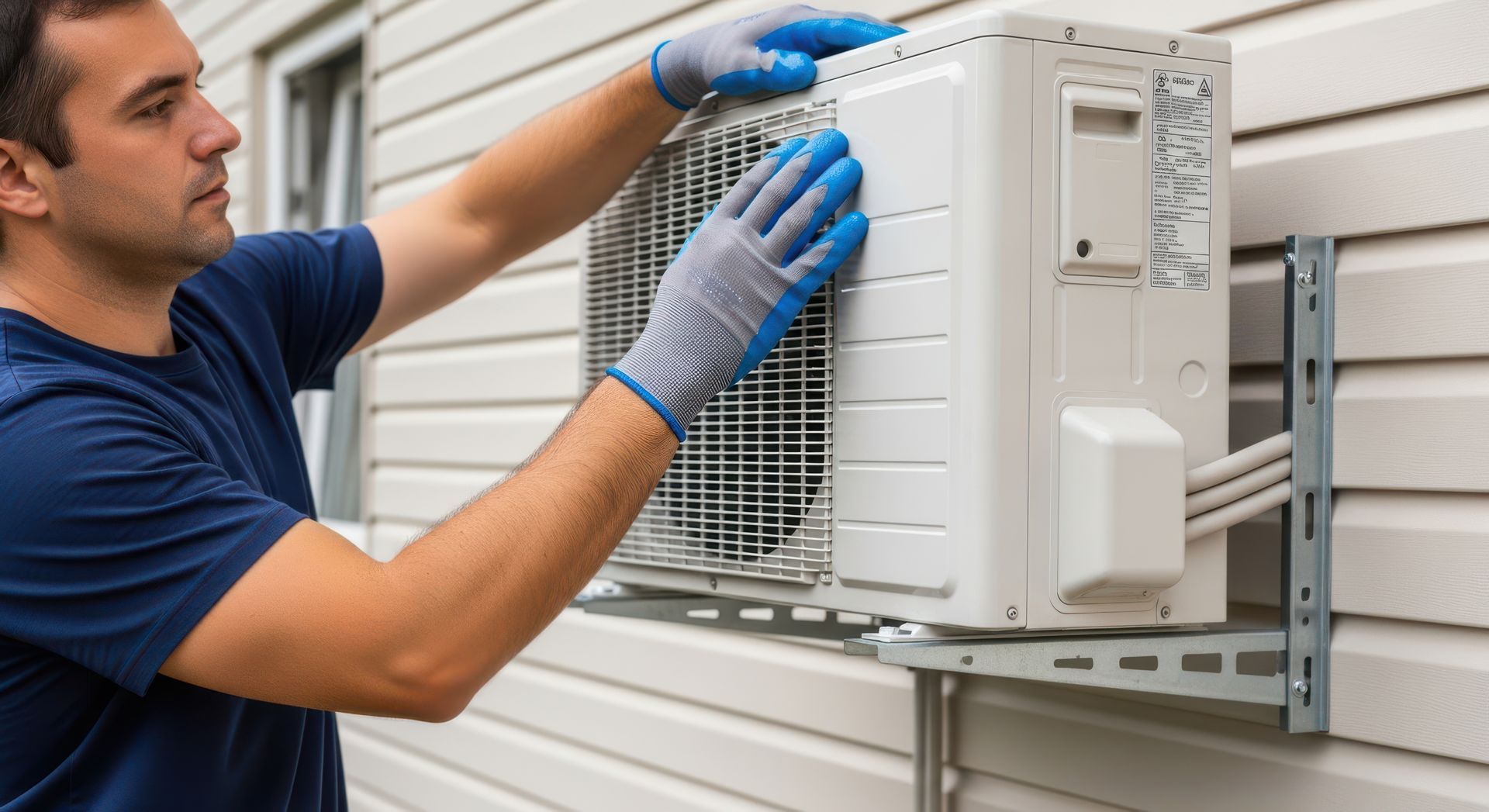
Basic care can slow the damage. Always turn off power to the unit before you clean anything, and follow your manufacturer's instructions. Helpful habits include:
▸ Keeping plants, shrubs, and debris at least a couple of feet away so air can flow freely.
▸ Gently rinsing the unit's exterior with a garden hose to remove surface salt, with the power off.
▸ Avoiding a pressure washer, which can bend the delicate fins.
▸ Keeping the area around the unit clear of standing water.
▸ Making sure the unit sits level on a stable pad.
Ask a technician whether a protective coating for the coil makes sense for your home. Not every unit needs one, and a professional can tell you whether it is worth considering.
The Role of Regular Maintenance
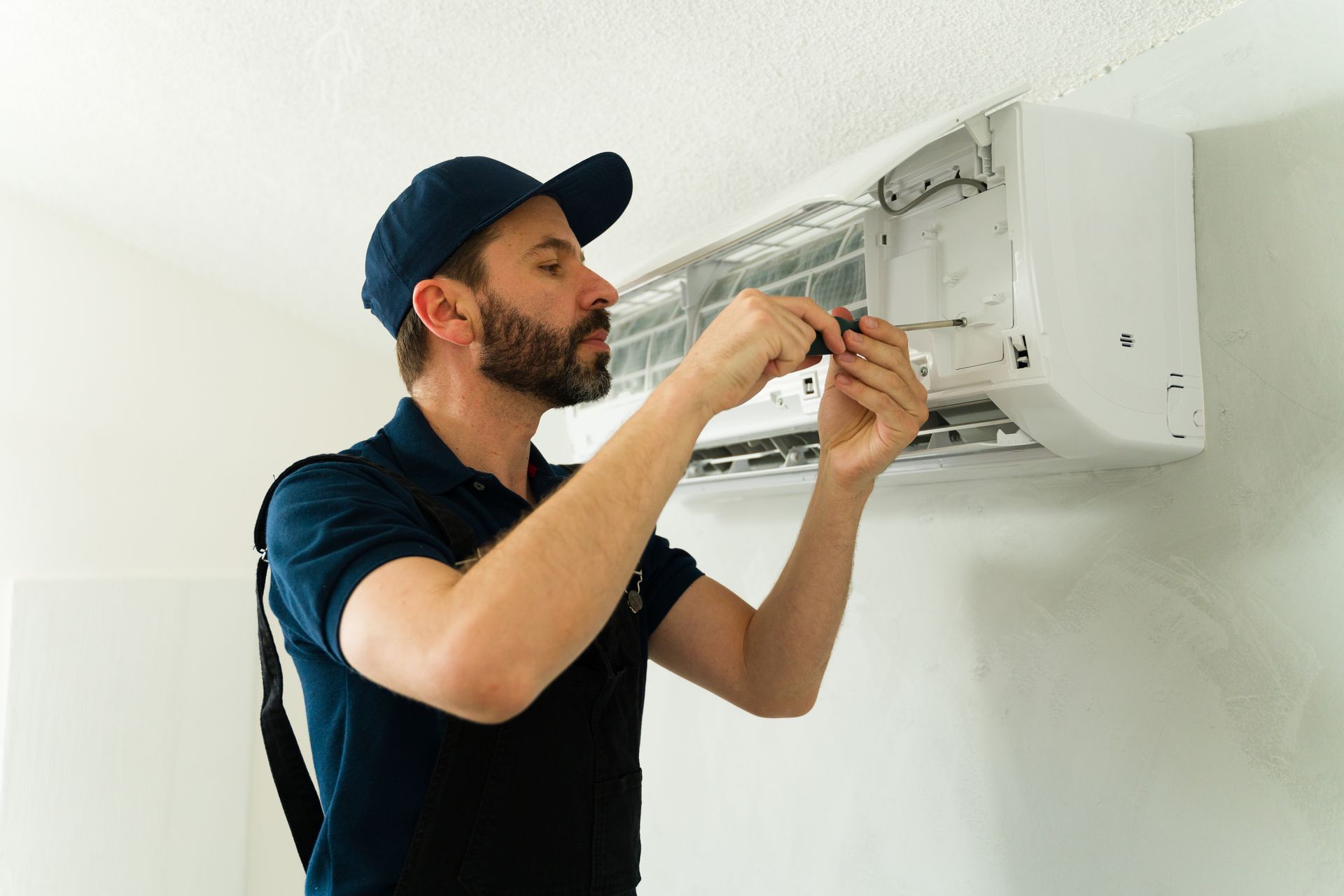
A yearly tune up is one of the best ways to catch corrosion early. Many local technicians recommend at least one visit each year, and twice a year can make sense for coastal homes given the long cooling season. During maintenance, a technician can:
▸ Inspect the coil, cabinet, and electrical parts for corrosion.
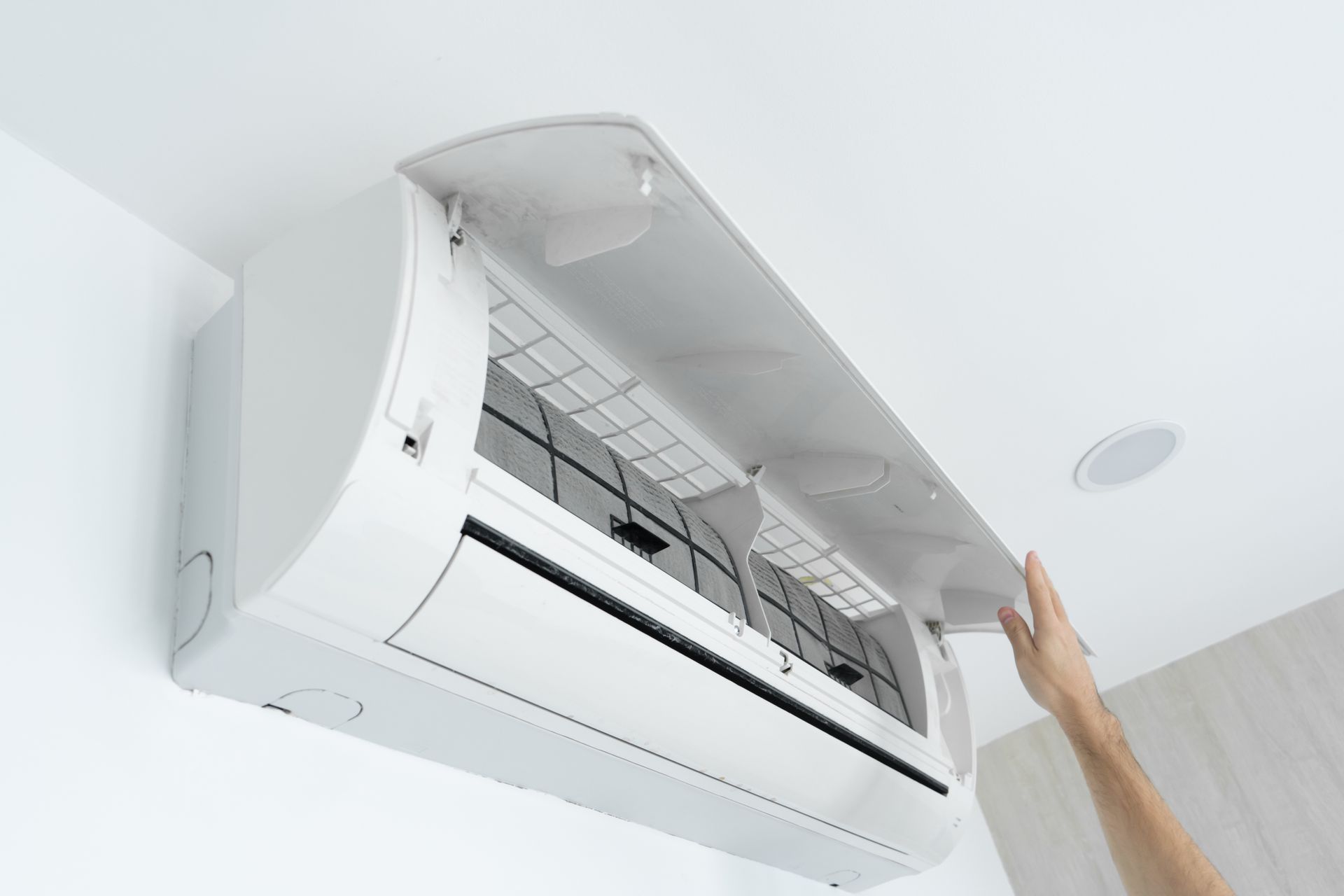
▸ Clean the condenser and check the condensate drain.
▸ Test refrigerant levels and airflow.
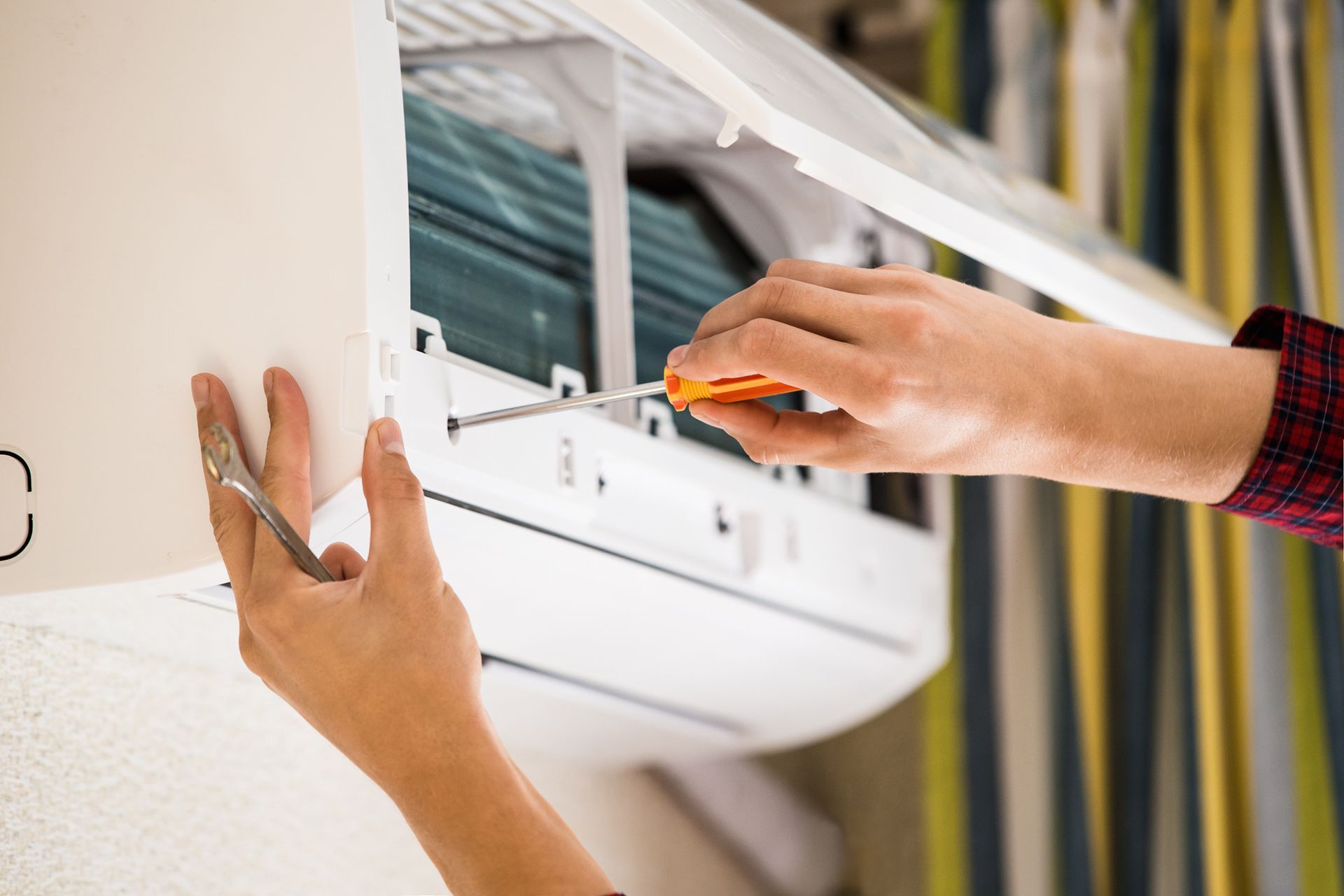
▸ Tighten electrical connections.
▸ Point out parts that may soon need attention.
Our HVAC services page explains maintenance options in more detail.
When to Call for AC Repair
Do not wait if your system is struggling. Call for service if you notice:
▸ Warm air coming from your vents.
▸ A unit that short cycles or will not turn on.
▸ Ice on the refrigerant lines or indoor coil.
▸ Water leaking near the indoor unit.
▸ Strange noises, burning smells, or tripped breakers.
Acting quickly can limit damage and keep repair costs down. If you can, note when the problem began and what you saw. That helps your technician find the cause faster.
Common Questions About Salt Air and Your AC
Does Living Near the Ocean Shorten an AC's Life?
It can, because salt and humidity speed up corrosion on outdoor parts. Regular cleaning, inspections, and maintenance can help slow that effect. Results vary with how close you are to the water.
Can I Rinse My Outdoor Unit Myself?
You can gently rinse the exterior with a garden hose after turning off the power, if your manufacturer allows it. Avoid high pressure and ask a technician to handle coil cleaning.
How Often Should Coastal Homes Schedule Maintenance?
At least once a year is a good rule. Because coastal systems run so long and face salt, many homeowners choose two visits per year.
Get Help From a Local Team
Roehm Air Conditioning Inc. has served Delray Beach and Palm Beach County since 1992, with licensed technicians and emergency service for urgent breakdowns. Call (561) 330-7344 or visit our contact page to schedule service. You can also learn more about our AC repair services and scheduling options.